Most people come here for salmon. You don’t get much else. The industry is struggling. Climate change is doing its worst work. But down in Prince William Sound, a quieter revolution is happening in the dark, cold water. It’s not about catching what’s left. It’s about growing something new.
Cordova is isolated. No roads lead here. Mountains jut straight out of the gray sea. Mist clings to the surface most mornings. It is hard to get to, which helps keep it pure.
Cold hands, new ideas
Thea Thomas bundles into seven layers inside the FV Myrmidon. It still isn’t enough. She works for Royal Ocean Kelp Co. The water in spring is a freezing drizzle, winds are vicious. This year was colder than usual, even by Alaskan standards.
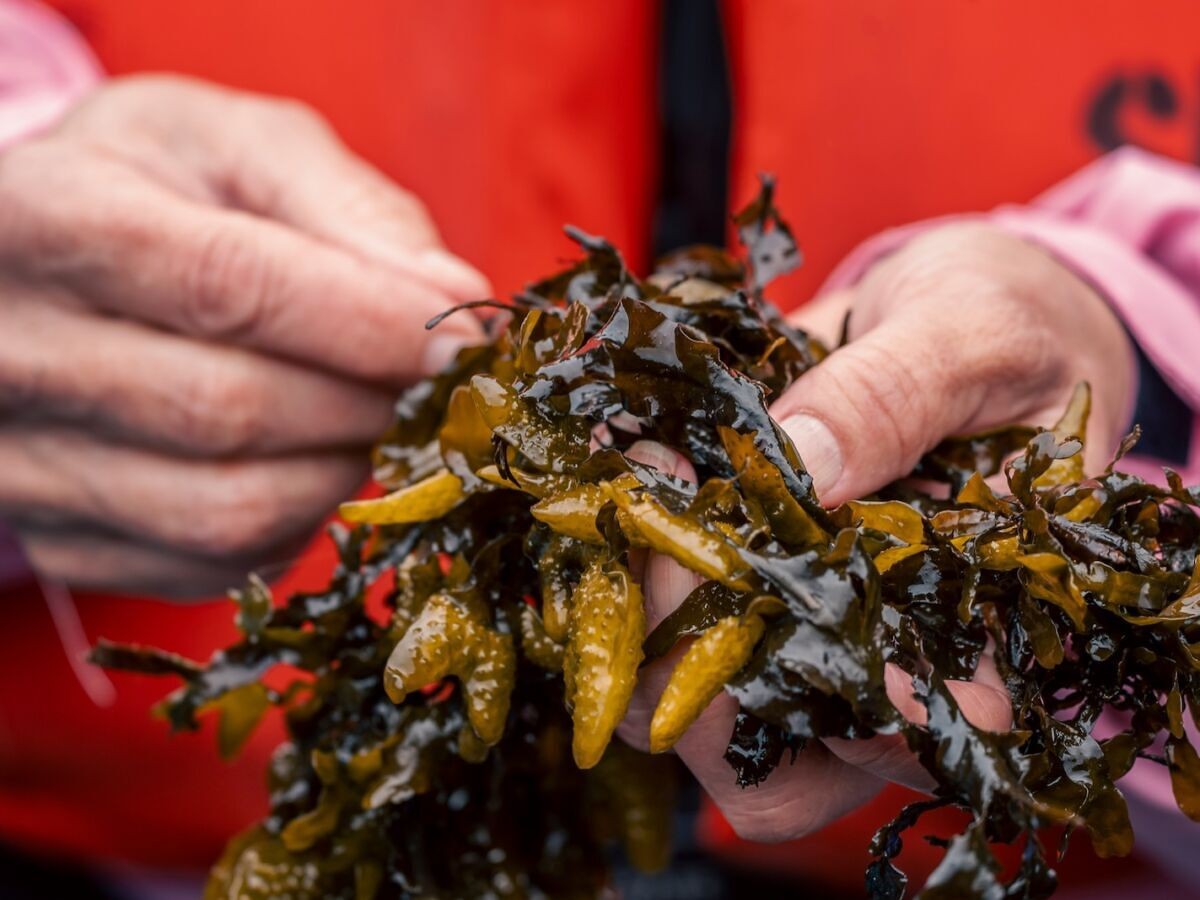
She pulls sugar kelp from ropes suspended between buoys. These aren’t wild. They were farmed.
“It’s a struggle… It can’t support you completely,” Thomas said. “But it creates jobs.”
She used to fish for salmon. She knows the water. She still had to learn the permits, the infrastructure, the patience.
Why bother? It is fun. She builds new products, new buyers. It keeps her mind awake.
The trial and error of growing fast
Harvest isn’t fixed. It depends on the biomass. Kelp degrades if you wait too long. Thomas is out by 8 a.m., working six hours. Maybe three thousand pounds of seaweed, processed over several days. Ribbon kelp is moody. Sugar kelp is stubborn. You only know how the year went when the lines come up.
Sean Den Adel of Noble Ocean Farm learned this the hard way. He and his wife Skye thought they had the perfect spot. The permit said yes. Nature said no.
Freshwater from glaciers ruined the salinity balance. Winter froze the bay solid. They couldn’t even access the farm for months. A wasted season. A amended permit. A start over.
The new site works. They grow bullwhip kelp now. The same kind Barnacle Foods uses for their pickles.
Is it sustainable?
“Kelp farming is regenerative, zero-input,” Den Adel explained. “It absorbs carbon. It filters nitrogen. It provides habitat.”
He sees it as fixing the ocean, not just exploiting it. Started in 2020, it feels like progress.
Oysters with gifts
A few miles away, Seawan Gehlbac grows oysters at Simpson Bay. She didn’t plan on this. She was a biologist first. She liked the water, didn’t want to leave. So she started farming in 2019.
Locals in Cordova are tough customers. Commercial fishermen with decades of experience. She had to earn them.
She was new. She admitted it. But a local smokerman kept buying. He came to her pop-up stalls. He started bringing gifts.
One day he handed her a jar. Smoked Copper River King Salmon. From his own fire.
“It warms my heart,” she said.
Her oysters taste like that water. Briny. Sweet. Heavy with umami.
If you want to follow the trail, look up the Alaska Oyster Voyage program. It maps the farms. It finds the tasters.
A morning in the sound
What hit me wasn’t just the work. It was the silence. Clean air. No cars. Just birds and wind.
Near Gehlbac’s lines, a sea otter floated by. Lazy. Unbothered. When we pulled an oyster tray, sea urchins clung to the bottom. Living alongside the harvest.
Want to see it for yourself? Charter a boat. Many captains know the farmers. Or take a kayak tour with Orca Adventure Lodge. Even cruise lines add these bays as excursions sometimes. It’s easy to find the industry now, if you know where to look.
Eat local or go home
Back on land, the kelp changes form. Wholesale buyers take some. Thomas’ partner Cale smokes it in his own backyard smokehouse. Grinds it into furikake seasoning. Japanese style.
It’s popular. But it’s small batch. You have to be in town to buy it. Or you drive by.
Baja Taco serves salsa made from the kelp. Copper River Brewery brews kelp beer. The Native Village of Eyak buys it for their food program. Keeping traditions alive with local harvests.
Gehlbac keeps it simplest. She posts on Facebook when the oysters are ready. Pre-orders. Walk-in sales from her storefront. No fixed schedule.
So why come to Cordova?
To buy shellfish hours after they came out of the sea. To drink a beer grown from the bay. To walk with glaciers in view. Whales. Orcas. Sea otters rolling in the tide.
It isn’t just seafood anymore. It is the place itself, served back to you.
You might leave full. But you’ll remember the cold. The mist. The feeling of building something out of thin air and icy water.