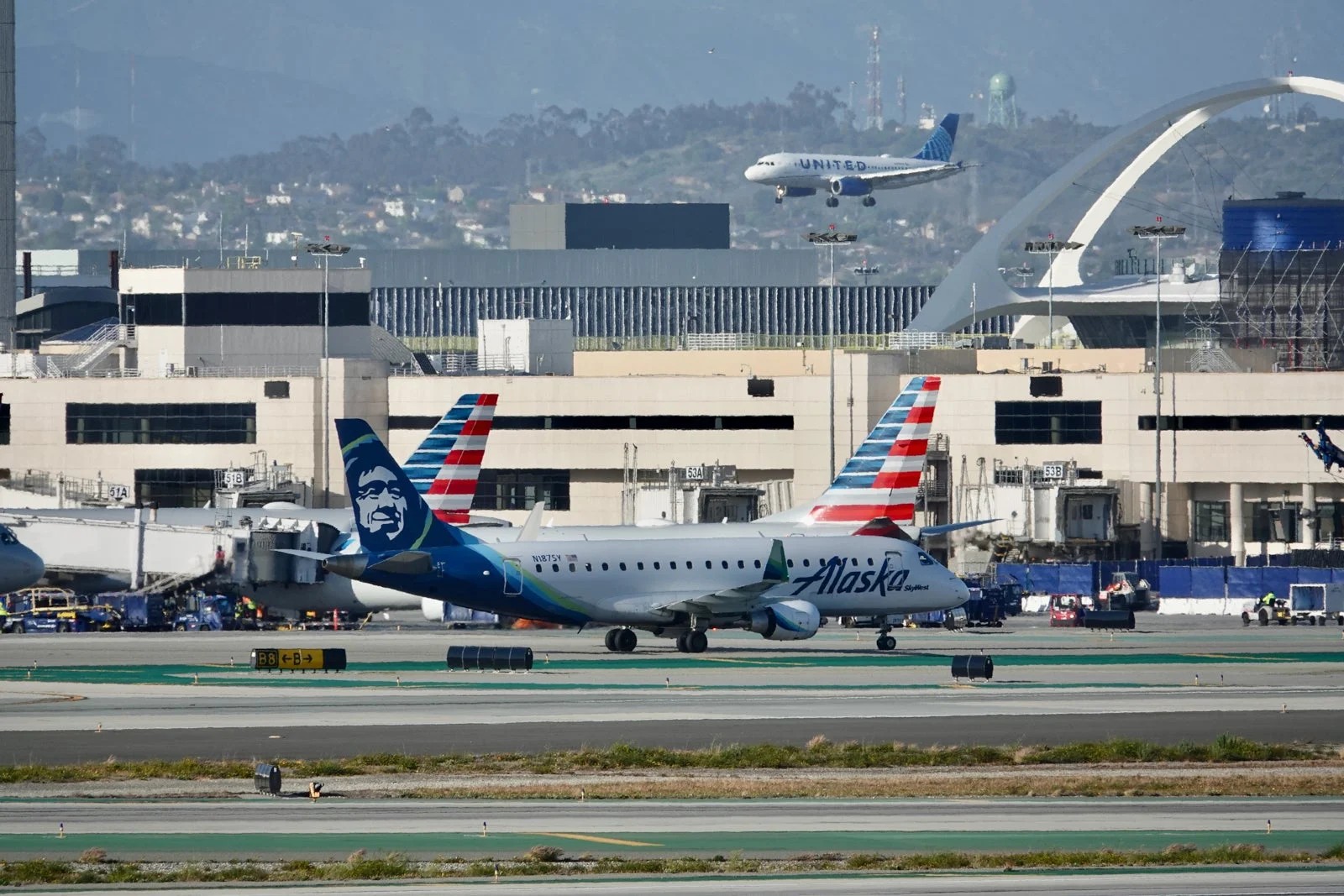
American Airlines CEO Robert Isom has addressed recent speculation regarding the airline’s future, making it clear that while a merger with Alaska Airlines is not on the table, the two carriers are looking to strengthen their existing relationship.
Expanding Partnerships, Not Ownership
Following reports that American and Alaska Airlines are discussing a deeper collaboration, Isom emphasized that American remains open to expanding its network through strategic partnerships. While he stopped short of detailing specific plans, he acknowledged the “great” relationship between the two carriers.
Currently, the relationship between the Seattle-based Alaska Airlines and American Airlines is defined by:
– Codeshare Agreements: Both airlines use their respective codes (AS and AA) on select flights, allowing for seamless connectivity.
– Loyalty Integration: Members of American’s AAdvantage and Alaska’s Atmos programs can earn and redeem miles across both networks and access select elite benefits, such as complimentary upgrades.
– Alliance Membership: Both airlines are members of the Oneworld alliance.
The “Joint Venture” Possibility
Industry analysts suggest that any “expansion” would likely take the form of a Joint Venture (JV) rather than a merger. In a JV, airlines remain independent entities but coordinate on pricing, scheduling, and cost-sharing in specific markets. American already utilizes this model with international partners like British Airways and Qantas. However, such arrangements face rigorous scrutiny from antitrust regulators.
The Broader Context: A Volatile Industry
The rumors surrounding American Airlines are part of a much larger trend of consolidation within the U.S. aviation sector. High fuel prices are creating significant financial pressure, prompting several industry shifts:
- Merger Speculation: High costs have led to increased chatter regarding airline combinations. United Airlines CEO Scott Kirby has reportedly floated the idea of a merger with American to regulators, though Isom dismissed this as “anti-competitive.”
- Active Consolidation: Alaska Airlines is currently finalizing its merger with Hawaiian Airlines, having recently completed a major technical integration of their reservation systems. Meanwhile, Allegiant Air is moving toward a $1.5 billion takeover of Sun Country Airlines.
- Market Instability: Spirit Airlines continues to navigate bankruptcy, and JetBlue is reportedly exploring sale opportunities.
“Roommates, Not Married”
Isom used a striking metaphor to describe the relationship between American and its primary rival, United Airlines, both of which operate major hubs at Chicago O’Hare.
“We’re going to be roommates… But we’re not getting married.”
This distinction is vital for understanding the current regulatory landscape. While proponents of consolidation argue that larger airlines are better equipped to weather volatile fuel prices—a trend seen in the major mergers of 2008 and 2013—regulators are increasingly wary of the reduced competition such deals can create for travelers.
Conclusion: American Airlines is prioritizing strategic alliances over massive mergers, aiming to expand its reach through joint ventures while navigating an industry increasingly pressured by rising operational costs.