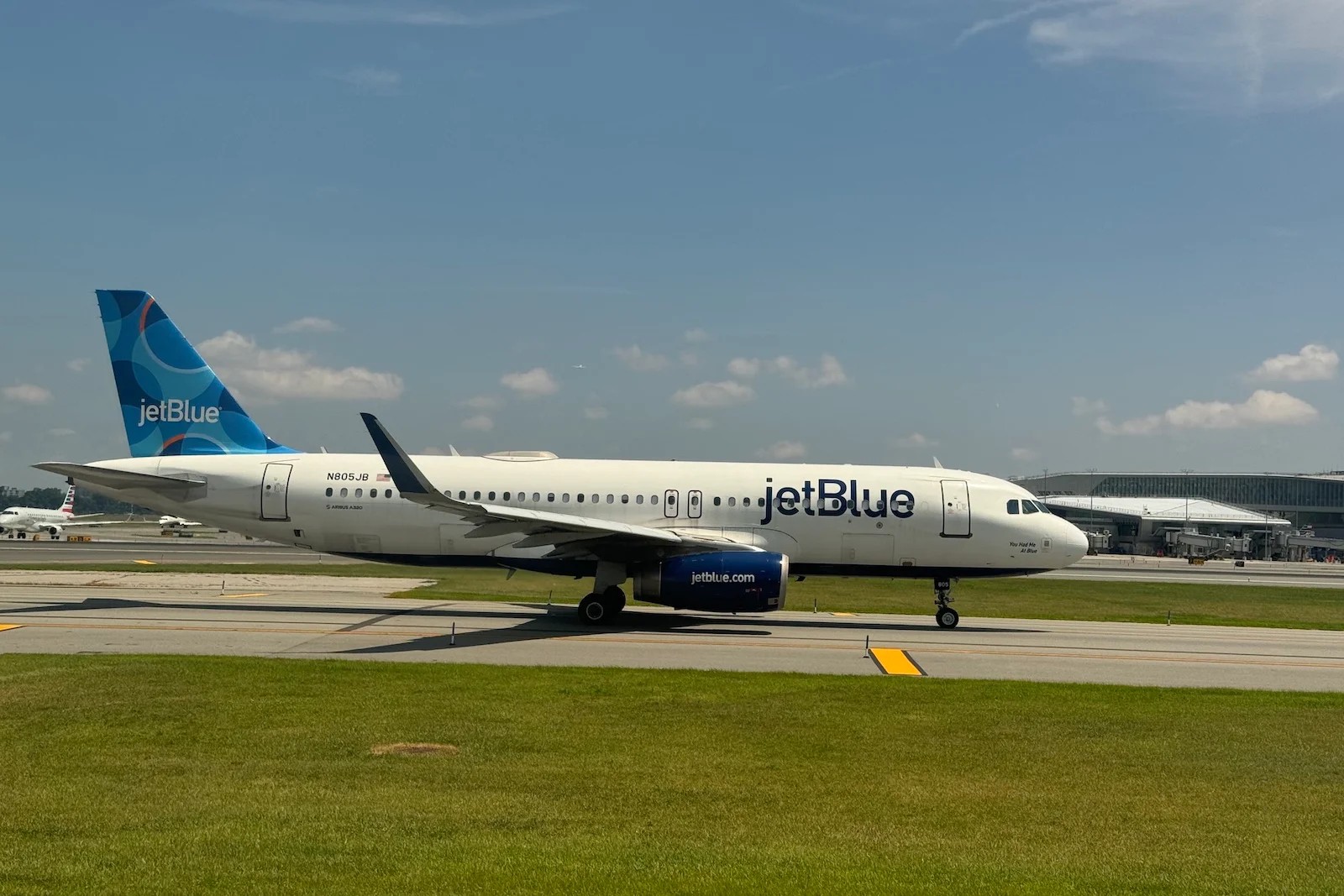
JetBlue is filling the void left by Spirit Airlines.
First, it happened in Fort Lauderdale. That airport has become a critical pillar for the carrier. Now, the action is moving north. JetBlue is on the verge of securing valuable takeoff and landing slots at LaGuardia Airport.
This isn’t just about growth. It’s about survival and strategy in a high-cost environment.
The target? The historic Marine Air Terminal.
JetBlue confirmed this week it won these coveted rights. They allow the airline to operate up to 24 additional flights a week. That is 12 roundtrips. CNBC reported the news first. These assets were hotly contested after Spirit ceased operations in May and began liquidating its assets.
JetBlue wants them. And it appears to have won them.
Why JetBlue wants the Marine Air Terminal
JetBlue currently flies out of Terminal B. It’s modern. It’s large. It houses the American Express Centurion Lounge. It also has a Chase Sapphire Lounge. It is expensive to maintain.
Terminal A, the Marine Air Terminal, is different.
Built in 1940, it dates back to the Pan Am flying boat era. Spirit Airlines was the last commercial user. Service ended May 2. The terminal is currently empty of commercial flights.
JetBlue is interested. A spokesperson confirmed the airline is looking at moving operations there.
“It would bring much-needed cost savings.”
LaGuardia is pricey. High costs forced JetBlue to pull back recently. It shifted focus to John F. Kennedy International (JFK), its home base. Today, JetBlue only flies four routes from LGA: Nantucket, Orlando, Fort Lauderdale, and West Palm Beach.
Moving to Terminal A could change that math. It offers a way to save money while staying in a preferred airport.
Is this a true JetBlue terminal at LaGuardia?
Not exactly. But it’s close.
Robert Mann, an industry analyst, calls it a “JetBlue terminal.” Why? Because JetBlue would control the facility. It’s low-cost. It keeps JetBlue present in New York. It helps the credit card portfolio by ensuring operations at both JFK and LGA.
The Port Authority of New York and New New Jersey operates LGA. They have the final say. They are also planning renovations for the 1980s-era gates. The 1986 rotunda is a landmarked structure, so changes there are limited.
Would it be a downgrade for passengers?
Probably. Terminal B has lounges. Terminal A does not. It’s a no-frills experience. But JetBlue has always positioned itself as a value carrier. A lean terminal fits that model.
Where will the new flights go?
JetBlue hasn’t finalized its route network. A spokesperson said it’s “evaluating how best to utilize” the slots.
But expectations are clear.
Mann predicts Florida routes. That’s JetBlue’s bread and butter. Upper New York State is also possible. Albany? Western New York? These are logical additions. They serve the commuter market JetBlue often ignores in favor of leisure travel.
The timeline? 2027.
JetBlue hopes to start its LaGuardia expansion next year, pending court and regulatory approval. The slots are won. The route plan is not.
The broader picture
LaGuardia isn’t the only place JetBlue is expanding into Spirit’s shoes.
In Fort Lauderdale, JetBlue became the top carrier last year. That airport is the “third tentpole” of its network. JFK, Boston Logan, and now potentially LGA.
It’s a strategy of filling gaps. Spirit left holes. JetBlue is moving in to plug them.
Will passengers care about the terminal move? Maybe not. As long as the fares are low and the flights fly. The Marine Air Terminal has a history. It survived the decline of commercial aviation in the 20th century. It might just survive the budget airline wars of the 21st.
JetBlue is betting it can do both.